
Practical solutions, worked out together
I’m committed to practical solutions to affordability and other challenges, developed in collaboration with community members. I’ll be honest: council can’t control everything that drives up the cost of living.
But I see real ways council can act…
A community grocery co-op
Most of B.C.’s egg farms are in the Fraser Valley, a long truck ride from here, and a lot of our fresh produce comes from the United States. Across Canada, about half the vegetablesNot counting potatoes, which Canada mostly grows for itself. Source: UBC, 2025 and three-quarters of the fruit we eat are imported. When trade tensions flare up, or the cost of diesel, fertilizer or farm equipment climbs, we all feel it at the checkout.
Yet a short drive up the road, Pemberton farms produce potatoes, vegetables, meat and eggs, mostly on a small scale through farm stands and markets. Pooling deliveries into one regular run down the valley, instead of every farm driving its own load, would cut the cost of getting that food here. It won’t replace the trucks any time soon, but with steady local demand, it could grow a great deal more.
Buying closer to home is also about resilience. Whistler has one highway in and out, and slides and floods have closed it before. In the 2021 floods, trucks couldn’t reach Fraser Valley farms to pick up eggs, and grocery shelves emptied in parts of B.C. The shorter our supply lines, the better we’ll weather the next disruption.
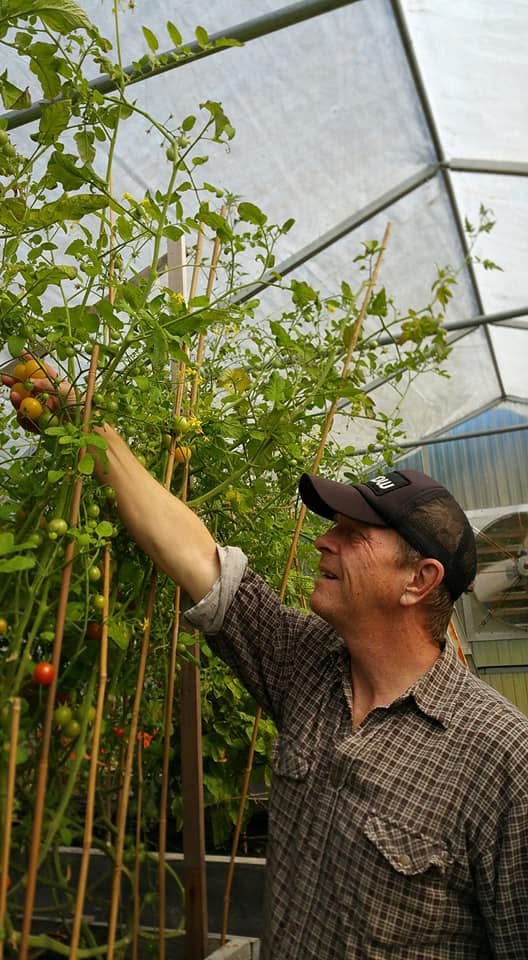
One idea I want to champion is studying the feasibility of a non-profit or member-owned grocery store co-op for Whistler. Limited competition and high overhead mean groceries here cost more than they should. A co-op, owned by the community it serves rather than run for outside profit, is one of the more promising ways other small communities have tackled this. It could also give local farms something they need to grow: a dependable buyer.
It doesn’t need to start as a supermarket. Picture something closer to a small hangar or barn: an open floor, trestle tables, a few chillers and a set of scales, where food arrives on the morning run from Pemberton and is weighed out as people buy it. It’s cheap to set up, easy to open a few days a week, and can grow only as fast as demand does. Pieces of a local loop already exist here too: surplus from Pemberton farms is being gleaned for families in need, and Whistler’s food scraps become compost for local gardens and farms. A space like this could help tie these together and keep more of our grocery dollars circulating in the Sea to Sky.
Whistler Housing Authority rents
I also want to explore whether WHA rents could be frozen or reduced. I’ve heard directly from residents that rents in some newer buildings are a real burden.
Several of the newer buildings operate under BC Housing and CMHC agreements. I want to understand exactly what’s driving their higher rents and what council can do about it, whether that’s pressing for better financing terms or targeted help for lower-income tenants. Any change has to keep the WHA financially healthy, because Whistler still needs it to build more.
Support for seniors
Many of the people who built this town are still here, and more of us reach retirement every year. Yet Whistler still doesn’t have an active living centre of its own — somewhere to drop in for a coffee, join a class, or share a meal.
The communities that get this right don’t tuck a quiet room away at the edge of town. They build lively, welcoming active living centres close to transit and everyday life, open to anyone who wants to stay active, and often shared across generations. I’d like Whistler to explore what one could look like here, and to plan for one.
And I want to make sure people who’ve given their working lives to Whistler can afford to stay as they get older.